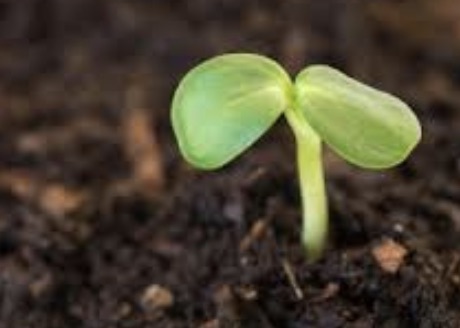
They tried to bury us; they didn’t know we were seeds. (Mexican proverb)
Maybe “they” didn’t know we were seeds. Did we?
To believe we can survive and grow when all seems lost requires hope. Hope comes from experience we reflect upon . . . living through difficult events, challenges, losses, or woundings. In the early moments of the difficult, we may feel unequal to it, perhaps overwhelmed, perhaps pretending or hoping that it is an illusion and will soon fade away. But when we have experienced and faced a challenge and come through it — whatever scars we may carry — we can know for future events that feeling unequal or overwhelmed and having no idea how to survive the difficulty is just that — a feeling and not a reality. We can trust that step by step, somehow, some way we can move through the challenge and find a way to continue our journey.
I learn that lesson again and again as I live into my later years. Each time life challenges me with another difficulty (small or large) I look back to difficulties I have faced in the past and find hope that carries me through the time of unknowing until I reach a place where the path becomes clearer. I may have to let go of some things that have been important to me, that I thought I could not live without. But I find out of those experiences of challenge has always come what I have called at various times nuggets of wisdom or pilgrimage truths.
William Bridges, author of The Way of Transition has guided me in that process. Bridges distills our human responses to challenges or changes into three internal transitional phases: Ending/Losing/ Letting Go, The Neutral Zone, and New Beginnings.
Events, difficulties, challenges happen to us. We usually have little control over such change events. Transition, unlike external change events, is the psychological and internal response to external changes. Transition theory begins with a jolt of change that disrupts our lives in some way. The change may be big enough to rock our foundations or it may be a seemingly small change that calls for just a slight shift. We may feel capable of adjusting relatively quickly or we may need to allow ourselves time to catch our breath, cling to something solid, and feel our feelings. Whatever the change, we need to take stock of what is left and what is gone, what we will need to take with us into the future and what we need to let go of. This first phase is painful and difficult for most of us. We may feel anger bubbling up unbidden, we may be irritable and prickly towards loved ones, our tears may well up without warning, our energy may flag, our optimism may be lost. Go with these feelings, knowing they are normal. They will not last forever. Slowly and honestly, take stock, find what matters, let go of the rest. . .
The next phase of Transition according to Bridges is The Neutral Zone. We have let go of the past, yet there is no new beginning — nothing that we can grab hold of. We are in between and it feels scary. It feels, too, like there is no way out of this in between time and we feel trapped and discouraged. This Neutral Zone is always for me a place of confusion, a bit of panic (will there be a future? how do I prepare if I don’t know for what?). Yet, if I “trust the process” and let it unfold (perhaps in collaboration with others) and if I call on who I am and what I need and can give, the Neutral Zone is a place where energy stirs and creativity pokes through with new possibilities. Such creative new beginnings are only possible if we trust that panic and confusion are part of this and that out of that state will emerge something new. Is this totally Pollyanna? Not at all. In every ending is a new beginning that will grow and enrich us if we do not succumb to the siren song of quick fixes. If we can allow ourselves to live in ambiguity, in not-knowing, our innate human drive for growth will eventually begin to offer up creative insight, and new possibilities.
The New Beginning emerges — always. This is what one learns through experiences of change and inner psychological transition. It may not be what we expected, but it will give us life. This is the grounded hope that we can trust when we have lived through this transitional process in the past and consciously affirmed the process in reflection. If we have been fortunate to not yet live through difficult change in our lives, we can learn this process and perhaps tuck it away in the back of our awareness for retrieval when we need it.
Many times after I have shared my story with someone, they have been surprised at my willingness to accompany others through their deep and tragic challenges while also maintaining an everyday optimism and cheer. They often say they could not have lived through the experiences I have described. I know that we can live through almost anything with the grounded hope and conviction that something is to be learned from transition, and that new beginnings will always follow endings.
Jane

 Pilgrimages and Paths