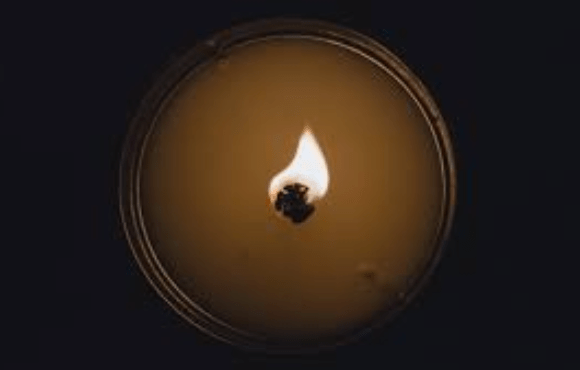
I’m awed by the bounty, how life goes wrong/a thousand ways. (Robert Lowes)
I wonder — when Lowes remarks that he is awed by how many ways “life goes wrong” . . . what does he mean by “wrong”?
I have often been stunned by life’s sudden departure from what I expected. Recently I got a call from the retirement center where my Dad lives independently. He had been rushed to the hospital in extreme pain of unknown origin. At 95 years old, Dad needs an advocate when he requires medical care and one of his children tries to go with him to doctor’s appointments etc. I was more available that day than my sibs so I drove the 1 3/4 hours to get to him. “Available” means that, fortunately, in retirement I can rearrange most things and be present when needed.
Dad will need to be in rehab and there are questions about what level of care he can return to in the future. So life has “gone wrong” in its departure from what all of us expected for that day when the retirement center called . . . and for the days that will follow.
I suspect many of us are experiencing lives that are not what we expected prior to March 2020. COVID and the shutdown, then the premature openings that caused infections to rise and overwhelm our ICU’s and hospitals. . . Who could have predicted such disruption? And, although many seem unable or unwilling to accept facts, we won’t be returning to the previous “normal” any more than my Dad (and my sibs and I) will be returning to his “normal” independent living status.
When such “life gone wrong” events happen, we can chafe at change. Rearranging one’s life to meet new challenges or to accept new behaviors or to take steps into the unknown, unplanned-for future is a great and exhausting challenge to most of us. And yet . . . it also has a flip side of opening us to possibilities and opportunities and awarenesses we couldn’t have imagined in our lives before it went off the rails.
Yes, grief and letting go are a necessary part of the process of “life gone wrong” for we have likely become attached to what we had or thought our future would be. But if we can name and accept our anxiety at no longer being certain of our path, we can begin to see that a path (or many paths) stretches out ahead of us even if we cannot see an end point. And we can work on shaping the path as best we can and choosing what to pursue and what to let go of with grace.
We can see “life gone wrong” as a gift we wouldn’t have chosen but that opens up new interests, possibilities, and/or challenges. Even if “life gone wrong” has imposed limitations to what we can accomplish — or limits on the time we have left — knowing those limits can make today immensely precious. Whoever penned Psalm 90 (“teach us to number our days that we may apply our hearts to wisdom“) most certainly had experienced “life gone wrong” and learned the agonizing yet priceless truth that the present moment is precious when lived with gratitude and awareness that there is no promise of a tomorrow.
I would never have chosen to live through this era of COVID, or seeing our politics take fascist turns, or being isolated from family, or seeing (and experiencing) individual and family struggles that ache and wound and kill. But I would never have known how much my country, my spirituality, my values, and my relationships mean to me without it — because “life gone wrong” has shown me the ugly possibility that we can lose those things we expected would be there forever.






 Pilgrimages and Paths