There was a time in my life when I would argue my side of a question or fact until anyone with another point of view gave up and walked away. There weren’t many things I would hold fast to, but with those few ideas or issues, I was sure my view was the correct one . . . the ONLY correct one.
Oh, the certainty of that time of life. It embarrasses me now. . . thinking that I could know what was true and what was not, what was right and what was wrong, what was of highest value and what was junk.
I still have opinions and values and ethical standards now. But I think I am more reflective these days, less willing to attack with righteous vengeance the ideas and positions others hold. Now, don’t get the wrong idea about me. I am an unapologetic progressive who isn’t afraid to say what I believe. And I loathe the stance of the current Senate minority leader when he trumpets that his only goal for the next 4 years is to “100% oppose” the current administration in every bill proposed or budget proffered. That stand will take us down as a country if it holds.
But I am more opposed to that “100% opposition no matter what the policy is” stance because of the blindness to how we can strongly disagree with a person’s ideological stand and yet listen to their hopes, their goals, their ideas, and look for places we can agree so we can craft something together worth agreeing upon. In this divisive moment (I still hope it is only a moment), however, that may need a whole lot of retirements before working together across the aisle is ever possible again.
I choose to try to live a different ethos these days. I try to “hold the truth lightly”. I first heard this phrase when I joined the Episcopal Church. I was drawn to this denomination because it doesn’t require dogmatic beliefs but focuses on practices — being community, serving others, living and practicing love. The assumption is that we are all interconnected and are spiritual beings walking a human path. None of us has a better hold on truth than anyone else so we can learn from (not fear) others. And we “hold the truth lightly” knowing that life changes us and therefore our view of “truth” may change.
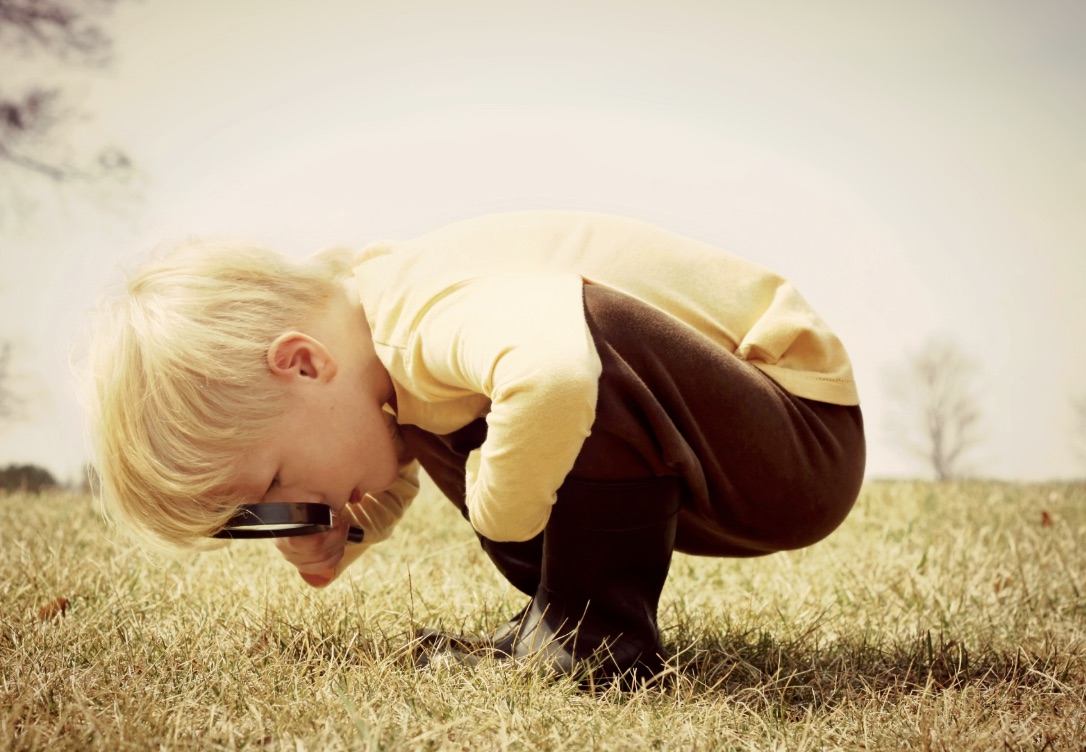
To live this way requires humility (which I have to work at), curiosity (approaching situations and people with wonder rather than mistrust), and a belief that we can find multiple interconnections that are lifegiving.
I’m not expert at living this way, yet it has become more natural as I’ve practiced it. And wondering about the world and those who live in it is much more joy filled than believing all is threatening.
Yes, you are probably correct . . . I’m likely a Pollyanna. Join me?
 Pilgrimages and Paths