What matters most on your journey is how deeply you see, how attentively you hear, how richly the encounters are felt in your heart and soul.
–Phil Cousineau in The Art of Pilgrimage
I’ll be offering a workshop on Pilgrimage at the Center for Spiritual Awakening in Allentown PA October 6. Yes, preparation for any presentation is takes effort, energy and time. But when I talk about Pilgrimage, I find myself energized and excited to be introducing this spiritual practice to those who may soon be taking their first pilgrimage.
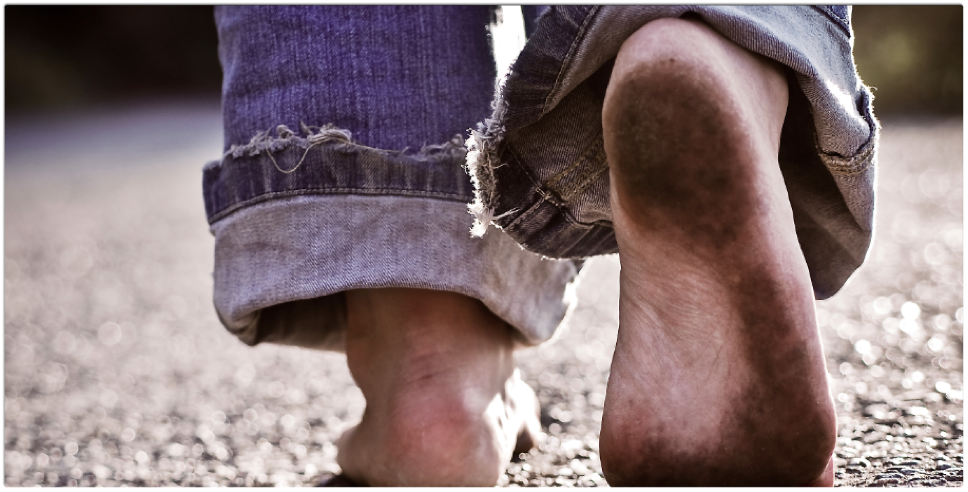
My first “formal” pilgrimage — a journey that I named pilgrimage before I embarked on it — was in 2008 on a portion of El Camino de Santiago with 14 youth and 3 other youth leaders. I wasn’t a typical Camino pilgrim — or so I thought. At 59 I had already had a (successful!) knee replacement, was in reasonably good physical condition, enjoyed being with teens (as a chaplain at an Episcopal girls preK-12 school, I’d had lots of exposure and loved it). But I wondered and worried in the days preceding our flight. Was I too old? Would I be able to keep up? Could I stay awake late enough into the night to keep track of the few who might try to sneak out for the freely available alcohol in “no set drinking age” Spain?
Nothing I worried about showed up on Pilgrimage (of course!). Instead, Pilgrimage changed my life. It has become a mission for me to share the blessings of pilgrimage with as many persons as I can: in my classes, in workshops, in conversations, in homilies. Pilgrimage challenges the life we live so often on auto-pilot. In a new place (whether a nearby trail, a journey to a historical site or one important to your family heritage, or a trip across the Pond to the Camino), old habits don’t fit.
We are challenged by new circumstances, difficulties to overcome, even the challenge of leaving behind your earbuds and iPhone or getting used to walking in silence. Finding ourselves experiencing something different, we can choose to look at such challenges as torments — or chances to stretch ourselves and learn something.
We can try out a new way of seeing ourselves and the world we walk in — looking at everything that happens to us as having meaning — learning to see with the eyes of the heart as St. Benedict would say. For instance, I learned on my pilgrimage that I could see everything that happened on my path as a metaphor for my life and as a possibility for enlightenment and growth. The heightened awareness of being in a new place among people who spoke a different language and offered different food (octopus? it’s really delicious!) made me aware of how back home I often preferred to stay in my comfortable routine and avoided intermingling with those whose accents or language were difficult to understand. No more because of my pilgrimage — I am more open to difference — curious rather than shy or avoidant.
So much changed for me back home after my Pilgrimage. I was more trusting that God was present in challenges and I was not living my life unsupported. I was more willing to face challenges with the expectation that I would somehow grow through facing them. I was less fearful of “what might happen” and more trusting that whatever might happen I was not alone. I knew (and know) that I am truly loved by God. I sense more keenly that only a thin veil divides our world from heaven.
There is so much more to say about Pilgrimage, but dinner is ready and I am ready for it. So maybe some future blog will contain some of the rest of my Pilgrimage Truths. :^)
In the meantime, you might meditate on Kierkegaard’s admonition:
Above all, do not lose your desire to walk . . .I have walked myself into my best thoughts.
 Pilgrimages and Paths